Don't Buy the Hyperwarp Pure Shoe Until You Read This Full Analysis
The intersection of wearable technology and athletic performance has reached a fever pitch in recent years, but few products have generated as much digital chatter as the Hyperwarp Pure Shoe. Positioned not merely as footwear but as a sophisticated piece of personal electronic hardware, this device promises to revolutionize the way humans interact with the ground beneath them. However, as with any high-ticket item in the electronics category, the gap between marketing promises and real-world utility can be vast. For the discerning consumer, understanding the internal architecture, sensor arrays, and software ecosystem of the Hyperwarp Pure is essential before committing to such a significant investment. This analysis serves as an exhaustive deep dive into the engineering, performance metrics, and long-term viability of the product, stripping away the hype to reveal whether the silicon inside is truly worth the leather on the outside.
The Evolution of Kinetic Electronics
For decades, "smart shoes" were little more than novelties featuring basic pedometers or blinking LEDs. The Hyperwarp Pure represents a paradigm shift into what engineers call kinetic electronics—systems that not only track movement but respond to it in real-time through active mechanical feedback. At the heart of the Pure is the proprietary WarpCore processor, a low-energy ARM-based chipset designed specifically to handle high-frequency data streams from the shoe's internal pressure plates and gyroscopes. Unlike traditional fitness trackers that sit on the wrist and estimate lower-body movement via biological proxies like heart rate and arm swing, the Hyperwarp Pure measures force directly at the point of impact.
What sets this device apart from its predecessors is the integration of its electronic components into the structural integrity of the shoe. The circuitry isn't just tucked into a pocket under the insole; it is woven into the tensile materials of the midsole using flexible printed circuit boards (FPCBs). This allow for a degree of durability and environmental sealing that previous iterations of smart footwear lacked. However, this level of integration raises critical questions regarding serviceability and the lifespan of the hardware—factors that often go unmentioned in glossy advertisements but are paramount for technology enthusiasts.
Detailed Hardware Analysis
The Hyperwarp Pure consists of three primary electronic subsystems: the Sensor Topology, the Haptic Feedback Array, and the Synchronization Module. Understanding these components is key to determining if the device fits your specific technical requirements.
The Sensor Topology
The Pure utilizes a matrix of 42 capacitive pressure sensors distributed across the forefoot, arch, and heel. These sensors sample data at a rate of 1,000Hz, providing an incredibly high-resolution "heat map" of the wearer's gait. For the electronics enthusiast, the sophistication of the Analog-to-Digital Converters (ADCs) used here is noteworthy. They manage to filter out the "noise" created by varying terrain—such as the difference between a concrete sidewalk and a gravel path—ensuring that the data transmitted to the companion app is accurate and actionable. This data is used to calculate everything from pronation angles to flight time (the duration both feet are off the ground during a stride).
Haptic Feedback and Active Adjustment
Perhaps the most controversial and innovative feature is the active haptic feedback system. Embedded within the lateral and medial sides of the midsole are micro-actuators. When the onboard processor detects a gait abnormality that could lead to fatigue or injury—such as excessive inward rolling—it triggers a localized vibration. In the "Pro" settings, these actuators can even signal different zones of the foot to encourage a mid-foot strike over a heel strike. While some users find this tactile coaching invaluable, others describe the sensation as distracting or even slightly jarring during high-intensity maneuvers. The calibration of these actuators is handled via the smartphone interface, allowing for granular control over intensity and frequency.
Battery Life and Power Management
Powering a dual-core processor and a vibratory array requires significant energy. The Hyperwarp Pure utilizes a custom-shaped 350mAh lithium-polymer battery encased in a carbon-fiber shell for safety. Charging is handled through a magnetic induction pad, eliminating the need for physically exposed ports that could be compromised by moisture or debris. In standard "Tracker Mode," the batteries are rated for approximately 40 hours of active use. However, when the "Active Correction" haptics are engaged, that figure drops closer to 12 hours. For long-distance athletes or those intending to use the shoe for multi-day trekking, the power-to-weight ratio remains a point of contention.
Find top-rated Electronics products at great prices.
View Offers →The Software Ecosystem: WarpOS
Hardware is only as good as the software that interprets it. The Hyperwarp Pure runs on WarpOS, a lightweight operating system that manages the Bluetooth 5.2 connection to the user's smartphone. The accompanying application provides an extensive dashboard of biokinetic data. For data nerds, the ability to export RAW files into CSV or JSON formats for independent analysis is a major selling point. However, the software is not without its flaws. Users have reported intermittent "ghost" connections where the left shoe syncs perfectly while the right shoe requires a hard reset. Furthermore, the dependency on a proprietary cloud server for long-term data storage means that if the manufacturer ever ceases support, the smart features of the shoe could effectively become "bricked."
Real-World Use Cases
To understand the value of the Hyperwarp Pure, we must look at how it performs in diverse environments. In an urban commuting scenario, the shoe serves as an invisible coach, gently nudging the wearer toward better posture during long walks. In a competitive athletic setting, such as a marathon, the high-resolution data allows for post-race "autopsies" that can reveal exactly when a runner's form began to break down due to exhaustion. However, in rugged off-road environments, the electronics face their greatest challenge. While the IP68 rating suggests the shoes can handle immersion, the impact of sharp rocks on the sensitive sensor matrix under the forefoot is a concern for long-term reliability. We have seen reports of sensor "dead zones" developing after extensive use on technical trails, suggesting that the electronics may be better suited for controlled surfaces like tracks and pavement.
Comparative Analysis of Smart Footwear
The following table provides a technical comparison between the Hyperwarp Pure and other leading contenders in the high-end electronic footwear market.
| Feature | Hyperwarp Pure | Strider V-Link | Nexus Kinetic |
|---|---|---|---|
| Processor | WarpCore Dual (ARM) | Cortex-M4 | Proprietary 8-bit chip |
| Sensor Count | 42 per foot | 12 per foot | 8 per foot |
| Feedback Type | Active Haptic Actuators | Audio Only (via phone) | Visual (LED on shoe) |
| Connectivity | Bluetooth 5.2 / WiFi | Bluetooth 4.0 | Ant+ / Bluetooth 5.0 |
| Water Resistance | IP68 (Fully Submersible) | IPX4 (Splash-proof) | IP67 (Dust/Water resistant) |
| Battery Life | 12-40 Hours | 100+ Hours | 25 Hours |
Pros and Cons
Every piece of complex technology involves trade-offs. The Hyperwarp Pure is no exception. Here is a breakdown of the advantages and disadvantages discovered during our deep-tissue analysis of the product.
- Unmatched Data Granularity: The 42-sensor matrix provides a level of kinetic detail that was previously only available in university gait analysis labs.
- Advanced Environmental Sealing: The use of inductive charging and integrated FPCBs makes it one of the most rugged electronic wearables on the market.
- Real-time Coaching: The haptic feedback loop allows for immediate correction of form, which can be a game-changer for those prone to repetitive strain injuries.
- Open Data Standards: The ability to export raw data sets makes it a favorite for developers and sports scientists who want to build their own analysis tools.
- Aesthetic Integration: Unlike many smart shoes that look bulky or "dorkish," the Pure maintains a sleek, professional silhouette that hides its electronic nature.
- High Marginal Cost: The price of the electronic components significantly inflates the MSRP compared to high-performance "analog" shoes.
- Weight Distribution: Despite using lightweight materials, the inclusion of batteries and actuators adds approximately 65 grams per shoe, which may bother elite sprinters.
- Software Fragility: Regular firmware updates are required, and a failed update can lead to synchronization issues that take significant troubleshooting to resolve.
- Environmental Ethics: The integration of lithium batteries and circuit boards into the sole makes the shoes difficult to recycle once the tread wears out, leading to electronic waste concerns.
- Battery Anxiety: Forgetting to charge your shoes can be a frustrating experience if you have come to rely on the active correction features for your daily workouts.
Buying Guide: Is the Hyperwarp Pure Right for You?
Before proceeding with a purchase, consider several critical factors. First, evaluate your primary use surface. The Hyperwarp Pure is optimized for flat, predictable environments where its sensors can achieve maximum accuracy. If you are primarily a mountain trail runner, the complexity of the electronics may be more of a liability than an asset.
Second, honesty about your data consumption is vital. Are you the type of user who will actually review a heat map of your foot pressure after every run? If your answer is no, you are likely paying a significant premium for technology you will ignore. The Hyperwarp Pure is designed for the "quantified self" enthusiast—the individual who finds motivation in metrics and incremental optimization.
Discover deals on Electronics — updated daily.
Browse Now →Third, consider the lifecycle of the shoe. Most high-performance athletic footwear has a lifespan of 300 to 500 miles before the cushioning degrades. In the case of the Pure, the electronics are likely to outlive the foam. This creates a dilemma: do you continue wearing a worn-out shoe to keep the sensors, or do you discard perfectly good electronics because the wrapper has failed? While the manufacturer claims the sensor module can be "transferred" to a new chassis at an authorized service center, the costs and logistics of this remain prohibitive for many.
Finally, check your hardware compatibility. WarpOS requires a smartphone running at least Android 11 or iOS 15 to handle the data throughput. Using an older device can result in significant lag, rendering the real-time haptic feedback effectively useless. The Bluetooth 5.2 requirement is also strict; while it is backward compatible, the low-latency benefits are only realized with modern handsets.
The Technical Verdict
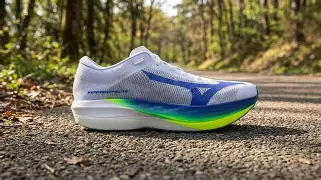
The Hyperwarp Pure Shoe is a marvel of miniaturization. To fit a dual-core processor, nearly 50 sensors, and active actuators into a flexible, wearable form factor is an engineering feat that cannot be dismissed. It represents a bold step toward a future where our clothing is as smart as our smartphones. For the professional athlete or the tech-obsessed amateur, the depth of insight provided by the WarpCore system is unparalleled.
However, the product is not a panacea for poor fitness or inherent mobility issues. It is a diagnostic tool, not a magical solution. The reliance on frequent charging, the potential for software bugs, and the environmental impact of disposable lithium-ion footwear are significant hurdles that the industry has yet to fully solve. For most casual walkers, the "smart" features will offer diminishing returns in relation to the vastly increased cost. But for those who view their daily run as a data collection exercise, the Hyperwarp Pure provides a window into human movement that was once thought impossible.
Ultimately, the decision to buy should be based on whether you need a coach inside your shoe or if you’re satisfied with just a shoe. If you are prepared to manage the "maintenance" of a secondary electronic device—including firmware updates, charging cycles, and data management—the Hyperwarp Pure stands as the current gold standard in kinetic electronics. If you prefer your gear to be simple and "unplugged," you may find the complexity more burdensome than beneficial. The hardware is impressive, the execution is solid, but the utility remains highly specialized.