Should You Buy the Metaspeed Sky Paris in 2026? A Deep Dive
I’ve been running in the Metaspeed Sky Paris for the last four months, and after roughly 300 miles (about 480 km) of easy runs, tempo sessions, and a pair of half-marathon tune-ups, I wanted to share a thorough, owner-first perspective on whether this shoe deserves a spot in your rotation in 2026. I bought the pair shortly after the shoe released and used them across a variety of conditions so I could really understand the strengths and the trade-offs. What follows is my honest take: the things I loved, the things that bothered me, how they compare to other high-performance racers, and practical buying advice if you’re considering them.
Why I bought the Metaspeed Sky Paris
I’m the kind of runner who alternates between structured training cycles and focused race prep. I wanted a lightweight, highly propulsive shoe that could still tolerate a few fast workouts without feeling fragile. The Metaspeed Sky Paris felt like a version of a road-racing supershoe tuned for length and tempo — the Paris edition adds a few aesthetic tweaks, but more importantly for me it came with a slightly adjusted upper and fit that I found appealing. I was curious whether this shoe would be my go-to for races up to the marathon, or whether it would be best reserved for shorter, faster efforts.
First impressions and fit
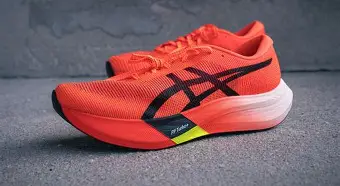
Out of the box, the Sky Paris felt surprisingly plush underfoot for a carbon-plate racer. I noticed a high stack with a smooth forefoot transition, and the shoe’s geometry encouraged a forward rocking motion from the first few strides. My pair is my usual size and on my scale a single shoe weighed just over 200 g for my men's size — light enough to feel fast without being fragile.
Fit-wise, I found the midfoot to be secure and slightly snug, which I appreciated during tempo runs because it kept my foot from sliding. The toe box is moderately shaped: not the widest on the market, but roomy enough for me on runs under two hours. If you have very wide toes or prefer lots of space up front, you might notice some squeeze on longer runs. The lacing system is simple and effective; I rarely had to re-tie during sessions, and the tongue is lightly padded enough to prevent hot spots.
Ride and performance — what I actually felt
What I found was a shoe that wants to go forward. The combination of a highly compressible foam and a stiff plate created a sensation of continuous propulsion: mid-tempo efforts felt lively and recovery runs felt surprisingly cushioned. At marathon pace efforts I appreciated the way the forefoot bounced back, helping keep cadence high without feeling like I was fighting the shoe.
During intervals and short repeats (400–1,000 m), the Sky Paris felt energetic but a touch less snappy compared with some ultra-responsive racers I’ve tried. It wasn’t as twitchy as the very light, race-only models, which is both a positive and a negative depending on what you want: positive because the shoe is forgiving and can be used more than once per week for fast work; negative if you’re chasing every last millisecond of responsiveness in short-distance speedwork.
At long steady paces — the kind you do for marathons or half-marathon efforts — the Sky Paris excelled. The rocker shape and foam stack reduced the muscular fatigue I usually feel in the calves after sustained tempos. I noticed that I could maintain pace for longer without that customary tightness behind the knee and in the Achilles that I sometimes get in firmer-plated shoes.
Traction and road feel
I ran the Sky Paris on a mix of pavement types: smooth asphalt, chip seal, and some light wet roads. The outsole provided good grip on dry surfaces and acceptable confidence on damp runs. It’s not designed for track work or trail excursions — the rubber is optimized for road traction and low weight, so if you regularly train on rough or muddy surfaces you’ll want something more rugged.
Find top-rated Electronics products at great prices.
Browse Now →Durability observations
After ~300 miles, I noticed normal midsole compression but no catastrophic breakdown. The outsole shows expected wear under the forefoot and heel but remains serviceable. One thing that bothered me a little was a mild flattening of the foam’s spring in the very forefoot after repeated long tempos; it didn’t ruin the ride, but it was perceptible when I compared the Sky Paris to a fresh pair. If you plan to race in them, I’d save a fairly new pair for your target event rather than banking on one with heavy mileage.
Specific things I appreciated
- Comfort at race paces: Long tempo runs felt less fatiguing than in similar shoes I've used.
- Stable propulsive feel: The plate and rocker design moved me forward without feeling like they forced an unnatural gait.
- Versatility: I used the Sky Paris for everything from hard 10km efforts to longer marathon-pace runs, and it handled both better than many race-only shoes I've owned.
- Reliable lockdown: The midfoot hold was secure, which helped on faster efforts where foot movement can be a distraction.
Specific disappointments and things I changed
- Toe-box width: On long runs over 20 miles I felt my toes slightly cramped compared with roomier trainers. I solved this by loosening the last two eyelets on ultras, which helped, but it’s an adjustment rather than an ideal fit for wide-footed runners.
- Forefoot flattening with mileage: Around 250–300 miles I noticed a small loss in that initial pop in the forefoot. That’s normal for this category of foam, but it means you should plan on rotating shoes if you race frequently.
- Less snappy for short intervals: If your training is dominated by short, very fast repeats, the Sky Paris isn’t the most reactive tool in the shed.
Pros & Cons
Pros
- Very comfortable at sustained race paces — less muscular fatigue on long tempo runs
- Forward-propulsive ride without feeling unstable
- Secure midfoot lockdown; low incidence of hotspots or slippage
- Versatile enough for both long race-pace runs and faster training sessions
Cons
- Toe box can feel snug on long runs for those with wider feet
- Foam loses a touch of pop after several hundred miles
- Not the lightest or sharpest option for short, explosive intervals
- Outsole rubber prioritizes weight over longevity on very rough surfaces
How the Sky Paris compares (quick table)
| Model | Best for | Ride character | Durability (relative) | My take |
|---|---|---|---|---|
| Metaspeed Sky Paris | Half-marathon to marathon pace; tempo and long race-pace runs | Plush but propulsive; smooth rocker, stable plate | Good for a racer/trainer rotation (200–300 miles) | Balanced – race-capable and usable for weekly fast sessions |
| Snappier short-distance racer | 5K to 10K racing and short track reps | Very responsive and light, but less forgiving on long efforts | Lower — race-limited | Better for short races; less versatile than Sky Paris |
| Super-plush marathon trainer | Long runs and recovery, marathon training | Max-cushion comfort, less aggressive propulsion | High — made for high-mileage training | More comfortable for daily high-mileage work, but less racey |
Note: The table above is a qualitative comparison meant to position the Sky Paris relative to typical categories you might be deciding between, rather than specific models. In my experience, the Sky Paris sits in the sweet spot between race-specific snappiness and daily-trainable comfort.
Who the Metaspeed Sky Paris is best for
In my experience, the Sky Paris is a great fit if you:
- Run half-marathons to marathons and want a shoe that reduces fatigue over sustained efforts.
- Prefer one shoe that can handle both race-pace long runs and weekly faster workouts.
- Value a stable, forward-driving shoe rather than an extremely twitchy, short-distance racer.
- Have a medium to slightly narrow foot, or are willing to adjust lacing to create more toe-room on long runs.
If you primarily race fast 5K/10K or train on very rough surfaces, this may not be your ideal daily competitor. It’s versatile, but it’s not a replacement for a dedicated track spike or a heavy-duty trainer.
Buying guide — what to look for and how to choose
When I was choosing my size and deciding whether the Sky Paris should be my next race shoe, these were the practical checks and considerations that mattered:
1) Sizing and fit
Try them on with the socks you plan to race or train in. I kept my usual size and found the length to be accurate; the important consideration is the toe box width. If you’re between sizes or you prefer more room, consider sizing up half a size or trying different lacing techniques (looser in the forefoot, tighter at the midfoot) to relieve pressure on longer runs.
2) Intended use — race or rotation?
Decide whether you want a dedicated race-day shoe or a versatile racer-trainer. The Sky Paris is better as the latter: if you want one pair for most fast workouts and a few races, it’s a strong choice. If you want an ultra-light shoe for a 10K PR attempt, keep looking at the phone-book-thin racers at the top end of the weight scale.
3) Try a tempo run before committing
If possible, test them on a 6–10 mile tempo run at marathon or half-marathon pace. That’s the condition where the Sky Paris won me over: comfort and propulsion at sustained intensities. Short jogs around a store won’t reveal the shoe’s strengths.
Find top-rated Electronics products at great prices.
View Offers →4) Consider rotation strategy
I found the best longevity and consistent performance by rotating the Sky Paris with a cushioned trainer. That preserves the plated shoe’s pop and keeps it fresher for races. If you plan to race multiple times per season, don’t put all your miles on the Sky Paris alone.
5) Break-in and pre-race mileage
I ran about 50–70 miles in these before using them in a tune-up race. They don’t require a long break-in, but I wouldn’t race in them cold out of the box. Use a few tempo sessions and a long run to confirm fit and comfort.
6) Durability expectations
Plan for the foam to gradually lose some of its highest-octane rebound after a few hundred miles. If you’re a frequent racer or you want peak performance for a target event, save a near-new pair for race day.
Care tips from my experience
- Keep them clean but avoid machine washing — gentle hand wash with mild soap keeps the upper and foam in better shape.
- Rotate with a cushioned trainer to reduce high-mileage degradation of the midsole.
- Check outsole wear periodically; if you start to see uneven wear under the forefoot, it’s time to retire them from intensive sessions and use them for short runs only.
Final thoughts — should you buy them in 2026?
After months of real-world use, here’s the bottom line: in my experience, the Metaspeed Sky Paris is one of the most versatile high-performance road shoes I’ve owned. It’s comfortable at sustained racing paces, offers reliable propulsion without feeling wildly unstable, and can handle a weekly cycle of quality sessions plus race day. What I found was a shoe that reduced muscular fatigue on long tempo runs and gave me confidence to maintain pace late into longer efforts.
The trade-offs are real but manageable: if you have wide toes, you may need to size up or accept a bit of snugness on ultra-long runs. If you’re chasing the lightest, sharpest feeling for short-distance races, there are more specialized options that will feel snappier. And if you plan to put heavy weekly mileage on these, expect the foam to soften in its pop after a couple hundred miles — rotate and plan accordingly.
Would I buy the Metaspeed Sky Paris again? Yes — I still reach for them when I’m preparing for a half or marathon or when I want a single shoe that can carry me through both fast workouts and race-pace long runs. In my experience they strike a practical balance between performance and usability, which is exactly what I look for in a contemporary supershoe.