Sr80E Sr80 First Look: Unboxing and Impressions
Category: Audio
Introduction
The Sr80E and Sr80 arrive as two closely related entries in the near‑field headphone space, designed to target listeners who want clarity and value rather than overly warmed or artificially enhanced frequency response. This first‑look unboxing and impression piece examines what buyers will find in the package, how the headphones feel and fit, and what to expect sonically in a range of real‑world situations—from detailed desktop listening and podcast monitoring to casual music playback and light gaming.
The aim of this article is to provide practical, impartial observations to help potential buyers decide whether the Sr80E or Sr80 better suits their needs. It covers unboxing, build and comfort, sound character, connectivity and technical considerations, plus a comparison table, pros & cons, and a buying guide that focuses on the typical priorities buyers care about.
Unboxing Experience
Out of the box, the Sr80E and Sr80 present a modest but tidy package. The unboxing experience is intentionally straightforward: packaging prioritizes protection and simplicity rather than premium presentation. Typical contents include the headphones themselves, a detachable or fixed cable (depending on the unit), a quick‑start leaflet with warranty information, and in some regional variants a lightweight carrying pouch or cloth bag.
Two details stand out during unboxing. First, the headphone cups and headband are usually pre‑assembled, so setup is immediate—there is no requirement for attachment or alignment beyond unfolding the headband. Second, the cables tend to be utilitarian: serviceable length, standard plugs, and often sealed ends rather than braided luxury cables. For users who value replaceable cables, confirm whether the model under review includes a detachable lead; otherwise an aftermarket cable can be added later.
Design and Build
Both models emphasize functional design over flashy aesthetics. The Sr80 and Sr80E use mixed materials that balance weight and durability—molded plastics for the cups and a reinforced headband frame. The finish is generally matte or subdued gloss, which keeps reflections to a minimum and reduces the visual impression of wear over time.
Build quality is competent for the price range. Hinges and yokes are engineered to survive routine adjustments and commuting stresses, but heavy abuse (drops, extreme twisting) should be avoided. The ear pads are typically foam‑filled with a synthetic leather or velour surface; comfort will vary by ear shape and how long listeners wear the headphones consecutively.
Comfort & Fit
Comfort is an important practical consideration, and both Sr80 variants score well on short‑to‑medium listening sessions. The headband distributes pressure across the crown rather than concentrating it at a single point, which reduces fatigue during multihour use. Clamping force is moderate—secure enough for desktop use and mild movement, but not so tight as to create discomfort.
Ear pad shape and memory foam density determine long‑term comfort. Listeners with larger ears should confirm pad dimensions where possible. For users who plan long monitoring sessions, consider swapping to thicker aftermarket pads if additional isolation or padding is desired.
Connectivity, Cable, and Accessories
Connectivity is conventional: a 3.5mm plug is the default interface for most units, with a 6.35mm adapter sometimes included for older audio interfaces or headphone amplifiers. The included cable is typically of average quality—noisy when rubbing against clothing but adequate when routed properly.
One notable practical point for studio and mobile users is cable length. Desktop users may prefer longer cables to reach from an interface or DAC to a listening chair; mobile listeners may find shorter, coiled, or more flexible cables beneficial. Because the Sr80 line is straightforward in terms of connectors, upgrading the cable is an easy path to improve ergonomics and reduce microphonic noise.
Shop the latest Audio & Headphones picks on Amazon.
View Offers →Sound Quality and Technical Impressions
Sound evaluation centers on three broad areas: tonal balance, resolution, and presentation. The Sr80E and Sr80 are tuned to emphasize clarity and linearity rather than extreme coloration, which makes them useful for both critical listening and everyday enjoyment.
Tonal Balance
The midrange is the focal point. Vocals and acoustic instruments sit forward and are well resolved, granting vocalists and lead instruments a natural sense of presence. The lower mids maintain body without becoming congested, which helps with clarity in dense mixes.
Bass extension is present but not exaggerated. Listeners who prioritize subwoofer‑level impact in electronic and hip‑hop tracks should plan on pairing the headphones with a source that delivers controlled low end or complementing with an equalizer. The bass is tight and relatively quick—better suited to rhythm definition than heavy thump.
High frequencies are handled with restraint. There is detail and air, but the upper treble avoids the brittle, overly‑bright character some budget headphones exhibit. Cymbals and strings reveal texture without harshness, which is a point in favor of the Sr80 family for long listening sessions.
Resolution, Imaging & Soundstage
Resolution is above average for the category. The headphones reveal microdetails—room ambience, subtle reverb tails, and quiet cues—without sounding clinically analytical. Imaging is accurate, with a coherent center image and stable instrument placement across the stage.
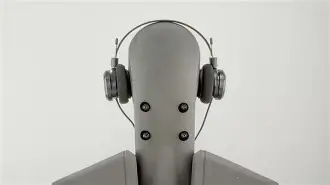
Soundstage leans toward intimate rather than wide. For recorded acoustic performances and podcast monitoring, the sense of space is satisfying and natural, but listeners expecting an expansive, open‑back stage will notice that these models are more focused on accurate near‑field presentation.
Dynamic Behavior
The Sr80E and Sr80 respond quickly to transient information. Attack and decay characteristics preserve percussion detail, which makes them effective for assessing rhythm and timing. They do not, however, emulate the physical slam of a full‑size studio monitor; dynamics are well‑scaled for personal listening and critical headphone monitoring at moderate levels.
Real‑World Use Cases
Understanding where each model shines helps buyers match product to use:
- Desktop monitoring and mixing: The forward midrange and neutral overall balance make the Sr80 series useful for entry‑level tracking, editing, and quick mix checks where harsh coloration would be misleading.
- Podcasting and voice work: Clear vocals and an emphasis on midrange detail suit voice editors and podcasters who need to hear consonants and sibilance without exaggerated brightness.
- Casual listening: For music lovers who want faithful reproduction across genres, the headphones offer an honest portrayal that rewards good recordings.
- Gaming and media consumption: Accurate imaging and quick transients support positional cues in games, though players seeking thunderous bass for cinematic effects may prefer bass‑forward designs.
- Commuting: Depending on the model’s isolation characteristics, these headphones may not be the best choice for noisy transit—invest in closed or noise‑isolating models for constant external noise.
Isolation and Leakage
Isolation performance is moderate. The ear pads create a seal adequate for blocking casual room noise, but they are not noise‑canceling. Leakage will be noticeable at higher listening levels; neighbors in quiet environments may hear louder playback. For shared or public spaces, consider lower‑leakage alternatives if privacy or disturbance is a concern.
Comparison: Sr80E vs Sr80
| Feature | Sr80 | Sr80E |
|---|---|---|
| Design intent | Balanced near‑field listening with emphasis on clarity | Variant tuned for slightly different voicing and user ergonomics |
| Build & finish | Simple, durable materials with a practical finish | Similar construction with minor adjustments to trims or pads |
| Sound signature | Neutral forward mids, controlled bass, relaxed treble | Comparable balance with subtle shifts in treble or bass emphasis depending on batch |
| Comfort | Moderate clamp, comfortable for medium sessions | Slightly softer pads or adjusted headband for longer wear in some units |
| Accessories | Standard cable and adapter options | May include different cable length or travel pouch in some regions |
| Best for | Home studio, detailed listening | Home studio and users preferring subtle ergonomic tweaks |
Note: The table presents qualitative differences to help buyers choose between the two models. Actual characteristics can vary slightly between production runs, regional configurations, or included accessories.
Find top-rated Audio & Headphones products at great prices.
Browse Now →Pros & Cons
- Pros
- Clear, midrange‑focused presentation well suited to vocals and acoustic instruments
- Good resolution and transient response for the price range
- Comfortable for medium‑length listening sessions
- Simple, serviceable build with straightforward cable and connector options
- Versatile for desktop use: mixing, podcasting, and critical listening
- Cons
- Limited soundstage compared with open‑back reference headphones
- Bass is controlled but not emphasized—may disappoint bass‑heavy listeners
- Packaging and accessories are basic; premium accessories are not included
- Isolation and leakage are moderate, so not ideal for very noisy environments
- Microphonic cable noise may be noticeable on some stock leads
Buying Guide: What Buyers Typically Care About
When deciding between the Sr80E and Sr80—or when considering this family alongside other options—buyers generally evaluate six key areas. This section breaks down each area and the practical questions a buyer should answer before purchase.
1. Intended Use
Is the primary need studio work, casual listening, or on‑the‑go use? For voice and mixing tasks, the Sr80 family’s midrange clarity is an asset. For commuter use or scenarios that demand heavy noise isolation, a closed or noise‑canceling model may be more appropriate.
2. Sound Signature Preference
Buyers who prefer neutrality and accuracy will appreciate the balanced tuning. Those who enjoy emphasized low end for EDM or cinematic sound should consider whether an equalizer or external sub/bass boost is planned.
3. Comfort and Fit
Head size and ear shape vary. If long sessions are expected, prioritize models with softer headbands and thicker pads, or be prepared to change pads. Attention to clamp force is critical for long‑duration comfort.
4. Source and Power
Check the intended playback source. If using a phone or laptop, evaluate sensitivity and impedance—some headphone pairs benefit from a small DAC/amp to unlock dynamic range and headroom. Desktop audio interfaces or dedicated headphone amplifiers will generally drive these models well.
5. Connectivity and Replaceability
Confirm whether the cable is detachable if future upgrades or replacements are desired. Detachable cables simplify repairs and offer opportunities to add remote/mic functionality for mobile use.
6. Long‑Term Value and Serviceability
Consider pad availability and headband durability. Models that use common pad sizes and detachable connectors tend to have longer service life because parts can be replaced rather than the entire unit.
Practical Tips for New Owners
- Break in the headphones by playing varied material at moderate volume for several hours; some listeners notice subtle changes in low‑end bloom and midrange warmth.
- Use a lightweight DAC or headphone amp for laptop or phone listening to improve dynamics and clarity if needed.
- Test a range of music genres during purchase or return period—acoustic tracks, vocal mixes, electronic basslines, and live recordings reveal different aspects of the tuning.
- Keep a spare cable or aftermarket upgrade in mind if microphonic noise or length is a concern.
Conclusion
The Sr80E and Sr80 offer a pragmatic balance of clarity, comfort, and build quality suited to listeners who value an honest, midrange‑oriented sound. They perform particularly well for vocal‑centric tasks, podcasting, and near‑field monitoring where accuracy is more important than exaggerated low end or artificially wide staging.
For buyers seeking a cost‑effective headphone that translates mixes and reveals detail without fatigue, these models are compelling. Those who place a premium on expansive soundstage or very pronounced bass may prefer alternatives designed explicitly for those traits. Ultimately, the Sr80 family is a strong contender for anyone prioritizing transparent reproduction and everyday usability in a simple, serviceable package.